Noryangjin Fisheries Wholesale Market (노량진 수산시장): Experiencing Seoul's Liveliest Wet Market and Eating Ultra-Fresh Seafood
If you are looking for an unfiltered, sensory-rich slice of local Seoul life, leave the polished shopping malls behind and dive into the aquatic wonderland of Noryangjin Fisheries Wholesale Market (노량진 수산시장). As one of the largest and oldest seafood markets in Korea, this massive, multi-story complex is a vibrant, chaotic, and utterly thrilling destination for any adventurous foodie.
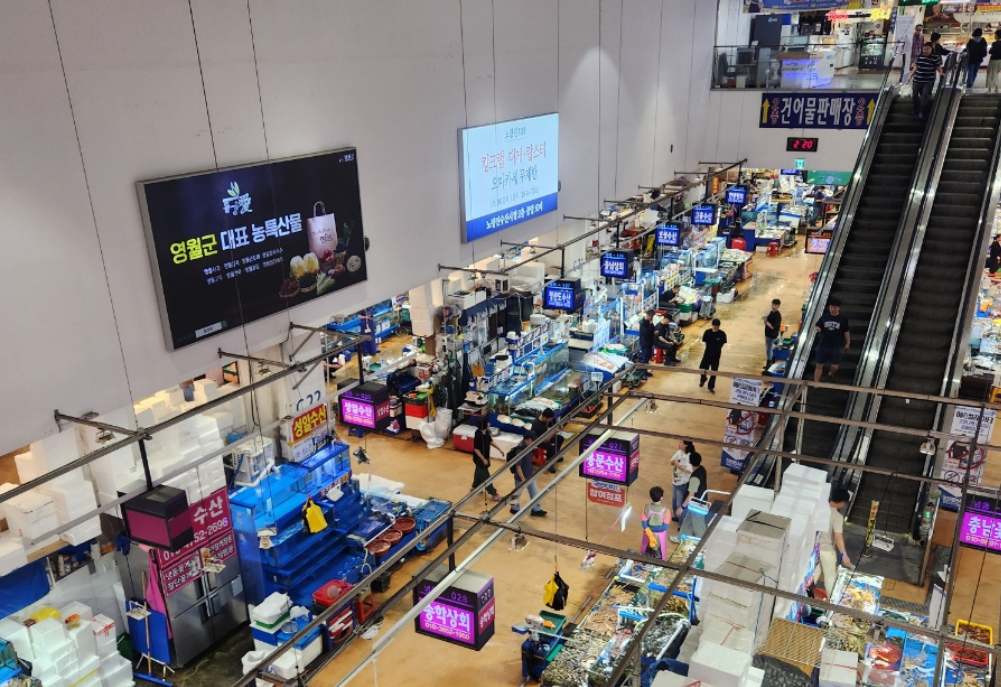
The true magic of Noryangjin lies in its unique "buy downstairs, eat upstairs" system. You get to wander through hundreds of brightly lit stalls on the ground floor, interacting with spirited vendors as you hand-select your seafood fresh out of the tanks. Whether you are craving a massive King crab, beautifully sliced sashimi, or the infamous live octopus, you will find it here. Once you've made your purchases, you simply carry your fresh catch upstairs, where local restaurants will prepare it for you on the spot.
It is loud, it is wet, and it is an incredibly authentic cultural experience. Whether you come for the predawn fish auctions or a lively seafood dinner with friends, Noryangjin offers a delicious and unforgettable look at Seoul's dynamic culinary heartbeat.
🌟 Why You Should Visit
- The Ultimate "Farm to Table" Experience: You have complete control over what you eat. Picking your own fish, crab, or shrimp straight from the water ensures an unmatched level of freshness.
- Vibrant Cultural Immersion: From the haggling (which is expected and part of the fun!) to the energetic banter of the vendors, Noryangjin provides a raw, authentic look at Korean market culture.
- The Infamous Live Octopus (Sannakji): This is the premier destination in Seoul to try Sannakji (산낙지)—the famous Korean delicacy of freshly chopped octopus tentacles that still squirm on your plate.
🍽️ / 📸 What to Experience & Top Picks
Here are a few must-visit spots and experiences within the market complex:
- First Floor Fresh Fish Market (1층 수산시장): This is where your journey begins. Wander the endless aisles of vendors selling everything from giant King crabs (킹크랩) and flatfish (광어) to sea squirts and scallops. A standard plate of fresh, mixed sashimi usually costs around 30,000 - 50,000 KRW (approx. $22.00 - $37.00 USD), while King crab is priced by weight and seasonal market value.
- Second Floor Chojangjip Restaurants (2층 초장집 식당가): Once you buy your seafood, take it to one of the many restaurants on the 2nd (or 5th) floor. These are known as Chojangjip (초장집). They charge a basic "setting fee" (상차림비) of about 4,000 - 5,000 KRW (approx. $3.00 - $3.70 USD) per person for side dishes and sauces. They will also steam your crabs, grill your shrimp, or make a spicy fish stew (Maeuntang / 매운탕) from your leftover fish bones for an additional cooking fee.
- Fried Seafood Stalls (튀김집): Located mostly near the entrances and on the second floor, these stalls are a fantastic snack stop. Even if you aren't ready for a full seafood feast, you must grab a bag of massive, golden-fried tiger shrimp, baby crabs, and squid. They are perfectly crispy and absolutely addictive. Expect to spend about 10,000 - 15,000 KRW (approx. $7.40 - $11.00 USD) for a generous mixed bag.

🚇 How to Get There (Public Transportation)
- Subway: Line 1 or Line 9, Noryangjin Station (노량진역), Exit 7 or 9 (approx. 5 min walk).
- Step-by-Step Directions: From Exit 7, walk straight and take the underground passageway that directly connects the subway station to the market. If you take Exit 9, it connects directly to the market's outdoor plaza.
- Transit Tip: Download Naver Map (네이버 지도) or KakaoMap (카카오맵) to navigate the subway transfers easily. The market is huge, so using the station's dedicated market exits will save you from getting lost!
💡 Practical Traveler Tips
- Best Time to Visit: If you want to see the chaotic wholesale auctions, you'll have to arrive around 3:00 AM. For a standard visit, arriving around 11:30 AM for lunch or 5:30 PM for dinner is perfect, as the energy is high and the restaurant floors are lively.
- Payment & Reservations: While the upstairs restaurants accept foreign credit cards, you should definitely bring cash for the first-floor market. Many vendors offer better prices or toss in "service" (서비스 - free extra seafood) if you pay in cash.
- Local Etiquette: The ground floor is a functioning wet market, meaning the floors are constantly hosed down and very wet. Do not wear nice shoes or sandals. Opt for closed-toe sneakers you don't mind getting a little splashed!
Essential Maps for Navigating Seoul: Official Tourist Guides and Hiking Trails
Essential Maps for Navigating Seoul: Official Tourist Guides and Hiking TrailsWhile navigating a massive metropolis like Seoul (서울) might seem intimidating at first, the city offers some of the most comprehensive, accessible, and foreigner-friendly map
work-rest.tistory.com


